Pulse path selector with buyer, department owner, product route, first workflow, expected artifact, and review boundary.
PULSE · OPERATIONS, IN FOCUS
Clear work. Kept promises.
Every single day.
Automate follow-up, prepare decisions, and keep control of daily operations.
07:02 · brief assembling
3 decisions ready, owners named
SEE·CONNECT·DECIDE·ASSIGN·FOLLOW THROUGH
01 / THE MORNING BRIEF
Yesterday's scramble, organized before your coffee.
Overnight, Pulse reads what your operation already produced: messages, notes, systems, and turns it into what matters, who owns it, and what happens next. People stay in charge of every decision.
How it works →Tuesday, 7:02 AM: your briefReady
Approve the supplier invoice
Two callbacks promised for today
Both callbacks confirmed by 11:40, nothing dropped
One Portal. Your workflow.
← DRAG · 5 WORKFLOWS →
Both callbacks confirmed by 11:40
Invoice approved, filed, done
Daily operations
Part ordered before the truck rolls
Route 4 conflict resolved, customer confirmed
Field work
Authorization renewal filed two days early
Overnight intake flagged for review
Client care
Comp approved, signed by MK
Two Saturday shifts covered by Friday noon
Guest service
Scope question answered same day, in writing
Deliverable signed off before the review
Engagements
Scenario examples: one adaptable Portal, staged for your work.
Where to start
See what Pulse can automate
Use the homepage to choose the first path by buyer, department, product artifact, proof standard, and source boundary before starting a broader AI project.
A repeated handoff where a department owns the pain and an executive sponsor can approve the first source boundary.
Generic AI shopping, ownerless automation ideas, unverified proof claims, or replacing systems of record.
Share the department, current tools, source material, reviewer, desired artifact, timeline, and decision owner.
See it in action
Watch the 30-second Pulse film.
Thirty seconds on what Pulse does: the promises behind your operation, brought into one clear picture. Seen, decided, owned, and done.
Clear work. Kept promises. Every single day.
Pulse service directory
Choose the Pulse path that fits the work you need to control.
Start by choosing the operating problem, industry, or technical need. Each path leads to a concrete artifact your team can inspect before buying or expanding scope.
I know my industryI know my business problemI know my technical need

Business OS
Approved internal AI work, operating briefs, owner updates, and project visibility without losing review control.
Proof: Assistant Card and Active Work Queue.
Open Business OS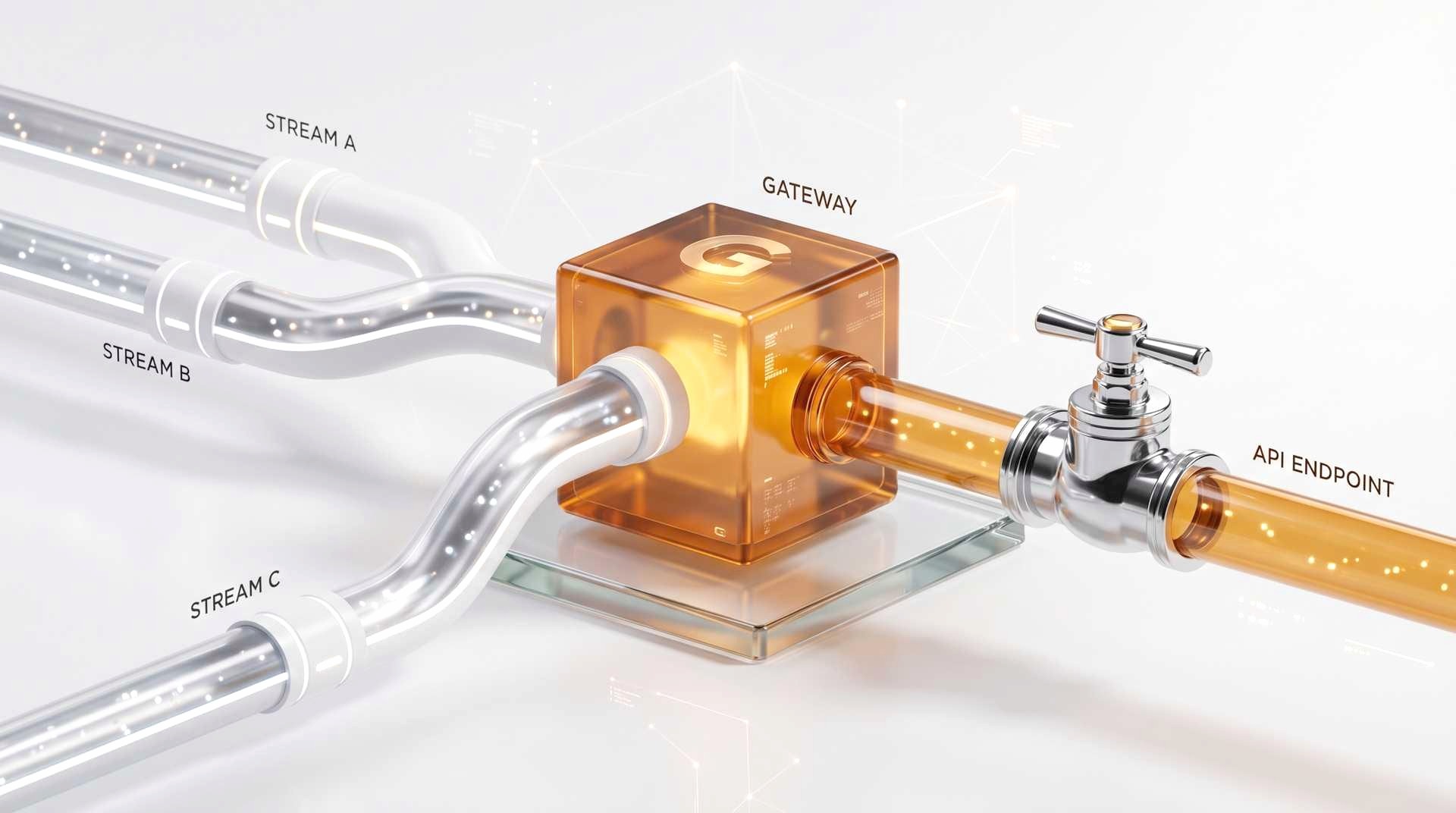
Business Connectors
Scoped source access for approved AI clients, with token scope, revocation, and audit posture visible.
Proof: Connector Setup Strip.
Review connector setup
Consulting / AI Opportunity Review
Rank where AI will pay off before committing to tools, builds, or automation projects.
Proof: AI Opportunity Map.
Review opportunity path
Restaurant OS
Manager-ready briefs for guest recovery, vendor exceptions, staffing reminders, and daily controls.
Proof: 7 AM Manager Brief.
See Restaurant OS
Field Service OS
Dispatch packets that put access notes, technician context, closeout, and customer follow-up in one place.
Proof: Dispatch Packet.
See Field Service OS
Medical Administration OS
Admin-safe briefs for scheduling, intake, referrals, reminders, and staff follow-up without crossing clinical lines.
Proof: Admin-Safe Brief.
See Medical Admin OSWhat Pulse helps you control
Keep daily work moving with prepared context, owners, and review points.
Pulse focuses on practical operating outcomes before technology details: follow-up, decisions, research, projects, controls, and consistency.
Automate follow-up
Turn loose ends from calls, meetings, service visits, messages, shifts, tickets, and requests into draft updates, reminders, assigned next steps, or review tasks.
- Fewer forgotten tasks
- Less manual chasing
- Faster internal and customer response
Prepare decisions
Gather the context an owner, manager, dispatcher, administrator, or executive needs before acting.
- Less digging
- Clearer approvals
- Better exception handling
Research faster
Summarize relevant notes, documents, messages, records, prior decisions, and source context.
- Less searching
- Fewer repeated questions
- More useful business knowledge
Plan and manage projects
Turn goals, ideas, requests, and issues into owners, timelines, blockers, next steps, and status summaries.
- Fewer status meetings
- Clearer delegation
- Better project visibility
Strengthen controls
Keep approvals, exceptions, boundaries, review points, and operating rules visible.
- Safer AI use
- Clear escalation paths
- Better manager oversight
Standardize execution
Help teams and locations handle repeat work more consistently.
- Fewer one-off processes
- Cleaner repeatable rhythms
- More consistent follow-up
Daily Pulse
A simple cadence for what needs attention now.
The Daily Pulse gives owners and managers a memorable way to review open work without digging through every system.
Morning Pulse
What needs attention today.
- Open follow-ups
- Owner decisions
- Customer and vendor issues
- Project blockers
- Location exceptions
Midday Pulse
What changed or needs review.
- Delayed items
- Unresolved questions
- Missed approvals
- Draft responses
- Items waiting on a manager
Closing Pulse
What remains open.
- Completed actions
- Tomorrow's follow-ups
- Aging exceptions
- Review notes
- Owner summary
Example artifact
Operating Brief: context, next step, owner, and control point.
A useful Pulse output is not just an answer. It shows what the answer is based on, what still needs review, who owns the next step, and where the action should land.
- Source boundary
- Meeting note, inbox item, queue export, or approved connector source.
- Human owner
- Named manager, operator, administrator, or technical reviewer.
- Control point
- Draft, decision, escalation, send, record change, or source expansion.
Daily Operating BriefPrepared for review
Open follow-up
Vendor issue needs owner reply today. Draft prepared; purchasing decision remains with manager.
Decision context
Three source notes agree, one export is stale, and the last approval is missing.
Assigned next step
Operations lead reviews draft, chooses destination, and records whether the issue is closed or escalated.
Review boundary
Pulse can prepare the summary and draft. It does not approve spend, send externally, or change the source record.
How to think about Pulse
From scattered work to the right service path.
Start with the business problem, not a product feature. Pulse helps decide whether the work needs consulting, connected systems, workflow automation, or an industry operating system.
Disconnected work
Owners chase updates across meetings, messages, files, spreadsheets, and systems while the next step stays unclear.
Reviewed next step
The right Pulse service connects the source, owner, review rule, delivery surface, and outcome the business can act on.
Name the systems, files, messages, and examples the selected service path can use.
Assign the person who approves the route, review rule, and next step.
State what Pulse can prepare, what it must stop, and when a human decides.
Pick the brief, connector strip, admin handoff, or consulting plan the team can inspect.
Governance and source confidence
Pulse shows what an answer is based on and what still needs manager review.
Governance is part of the product story, not a buried policy page. Pulse should make source boundaries, freshness, agreement, and review points visible before teams act.
Source freshness
Show whether the source context is current enough for the decision or follow-up.
Signal agreement
Separate answers supported by multiple sources from answers based on one weak or conflicting signal.
Historical accuracy
Treat prior outcomes and known patterns as context, not unsupported performance claims.
Scope completeness
Flag missing systems, records, people, or approvals before output is trusted.
Named reviewer
Keep customer-impacting, financial, policy, clinical, and source-expansion decisions with named people.
Examples to review together
Proof-safe examples show useful artifacts, not inflated claims.
Pulse is pre-launch, so public proof should be sample, mock, redacted, or customer-approved. The useful signal is the artifact: source context, owner, next step, review boundary, and the action that remains human-owned.

Sample brief
A prepared owner summary with source labels, open questions, and review status.
Setup artifact
A connector strip, assistant card, dispatch packet, admin brief, or opportunity map the team can inspect.
Next decision
What the visitor should do next: choose a Pulse path or talk to a person.

What stays reviewed
Why Pulse is different from a chatbot, dashboard, or automation agency.
Pulse organizes scattered business activity into prepared actions with source boundaries and review points. It does not ask teams to trust a black-box answer or hand off sensitive decisions to unchecked automation.
Pulse turns business context into artifacts with source context, owner, next step, and review boundary.
Pulse is meant to prepare follow-up and decisions, not only display another status view.
Sensitive sends, spend, policy, medical, customer, and source-expansion decisions stay with people.
Every path is framed around sources, reviewers, stopped actions, and the artifact your team can inspect.
Next steps
Choose the next useful action

Buyer clarity
Pulse Business AI buying questions answered in one place.
Use this section to confirm fit, expected deliverable, proof standard, existing-tool fit, and what remains human-owned.
Buying snapshot
Pulse Business AI: what a buyer should know before contacting Pulse.
A concise buying frame keeps the page tied to fit, artifact, scope, timeline, and accountable review before the next conversation.
Best forBuyer
Founders, owners, executives, and department owners choosing the right Pulse path.
Start withFirst use case
One repeated handoff where follow-up, decision context, source ownership, or review control keeps slipping.
You receiveArtifact
A path recommendation, operating brief shape, source boundary, review owner, and next-step artifact to inspect.
What to sendInput
Business problem, current tools, affected department, desired artifact, timeline pressure, and the person who owns the decision.
Human-ownedDecisions
Spend, policy, clinical, customer-impacting decisions, source expansion, and external sends stay with named reviewers.
TimelineTypical first step
A first planning pass starts from one safe example; pilot timing depends on source readiness, reviewers, and delivery surface.
Pricing scopeDrivers
Workflow count, source systems, reviewer count, risk level, integrations, rollout support, and proof requirements.
Proof-safe example
Inspect the artifact before trusting the claim.
Pulse proof should start with redacted or sample source material, a concrete artifact, and the human decision that remains outside automation.
InputSafe example
A redacted business problem with notes, messages, queue exports, or meeting context.
ArtifactPrepared output
Operating brief or path selector with source, owner, boundary, next step, and review status.
ReviewWhat people decide
The sponsor decides whether the work belongs in Business OS, connectors, an industry OS, or consulting.
Existing-tool fit
Pulse works around the systems you already use.
The practical question is what stays in the current system, what Pulse drafts for owner review, and where automation must stop.
KeepExisting tools
Keep existing systems for records, transactions, schedules, finance, clinical systems, POS, FSM, CRM, and approvals.
Use Pulse forReviewed handoffs
Use Pulse to prepare context, route handoffs, show source boundaries, and make reviewed next steps easier to act on.
Do not use Pulse forBoundary
Do not treat Pulse as a system-of-record replacement or unchecked automation layer.
Sample briefPulse Portal
Get a sample portal operating brief in your inbox.
What a portal-resident operator sees first thing: one readable summary built from approvals, source records, and review owners.
Check your inbox — your sample operating brief is on the way.
We couldn’t capture that. Email hello@pulsebusiness.ai instead.
One brief, no spam.

Next step
Talk to a person about the problem that keeps slipping.
Pulse will help decide whether the next step is Business OS, Business Connectors, AI Opportunity Review, Consulting / Managed Services, or an industry-specific operating path.